Quick answer
Many standard secured car lenders cap the age of the car they'll take as security, so an older classic is often financed with an unsecured personal loan or with a lender that specialises in collectable cars. Get the car independently inspected, insure it on an agreed value, set a separate restoration budget and borrow only what fits your repayment comfortably.
Key points
- Older cars often fall outside a standard secured car lender's age rules.
- Unsecured personal loans leave the classic free of a lender's interest.
- Insure on an agreed value and keep every receipt and record.
- Keep the restoration budget separate from the purchase loan.
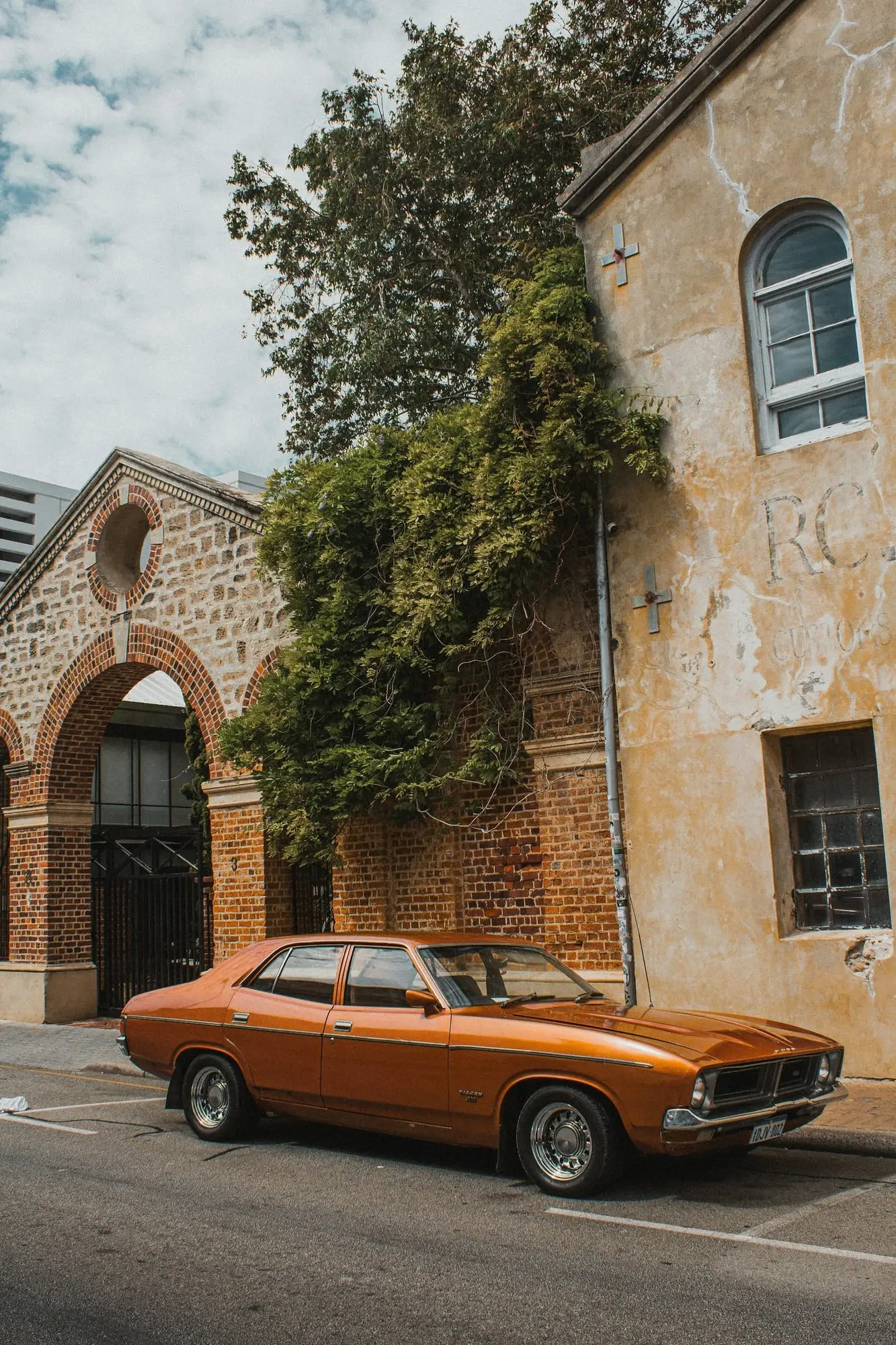
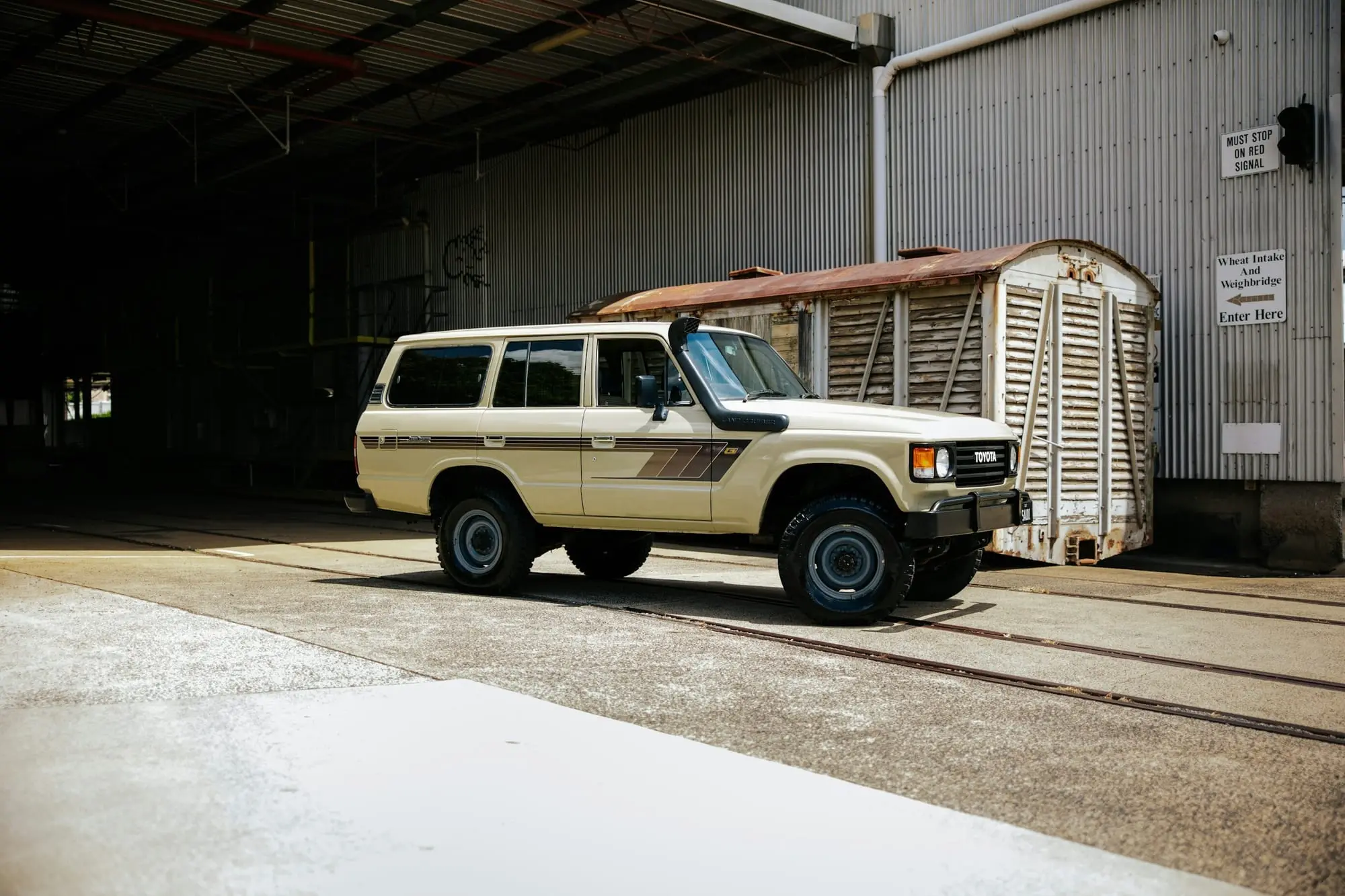
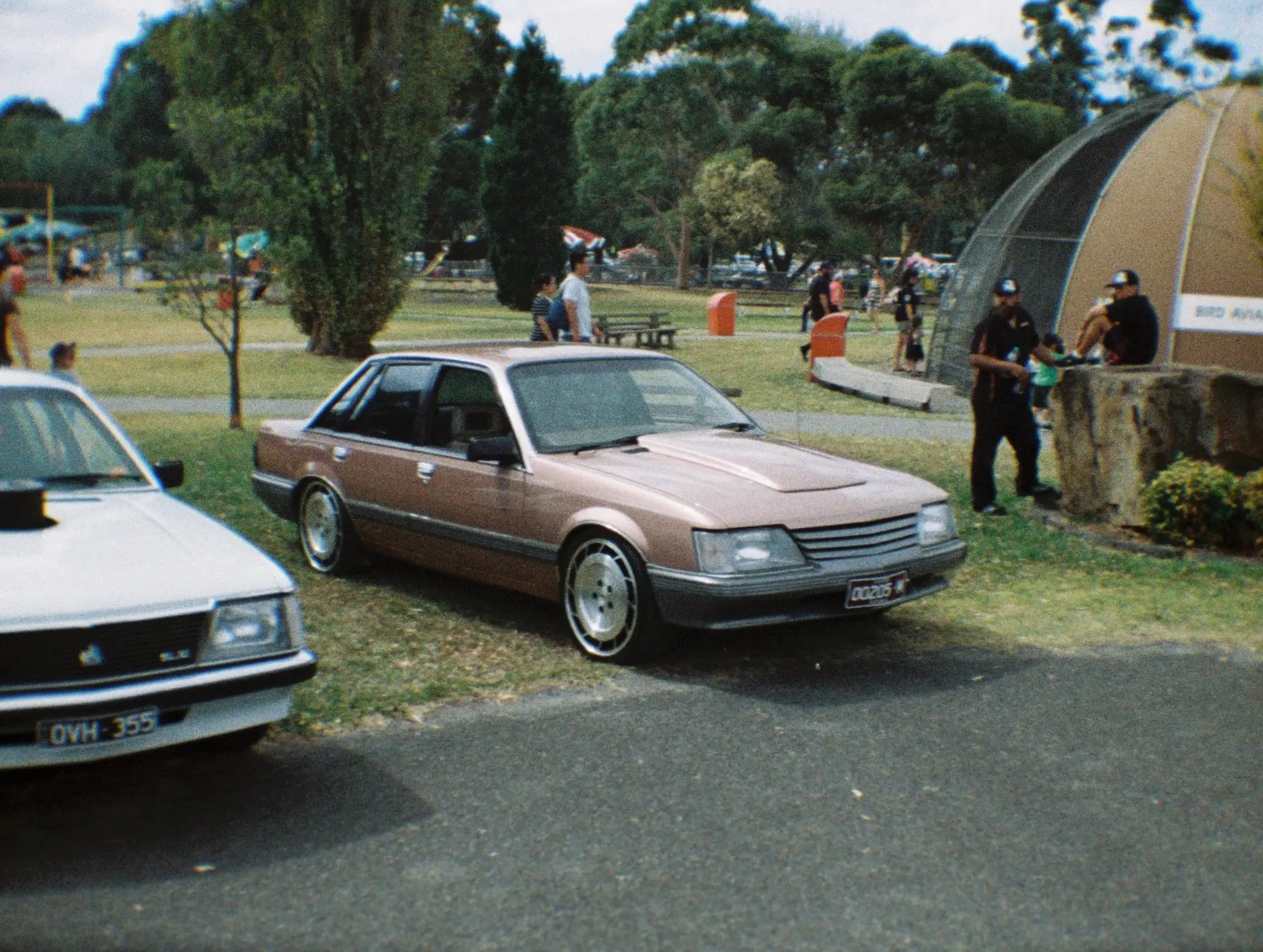
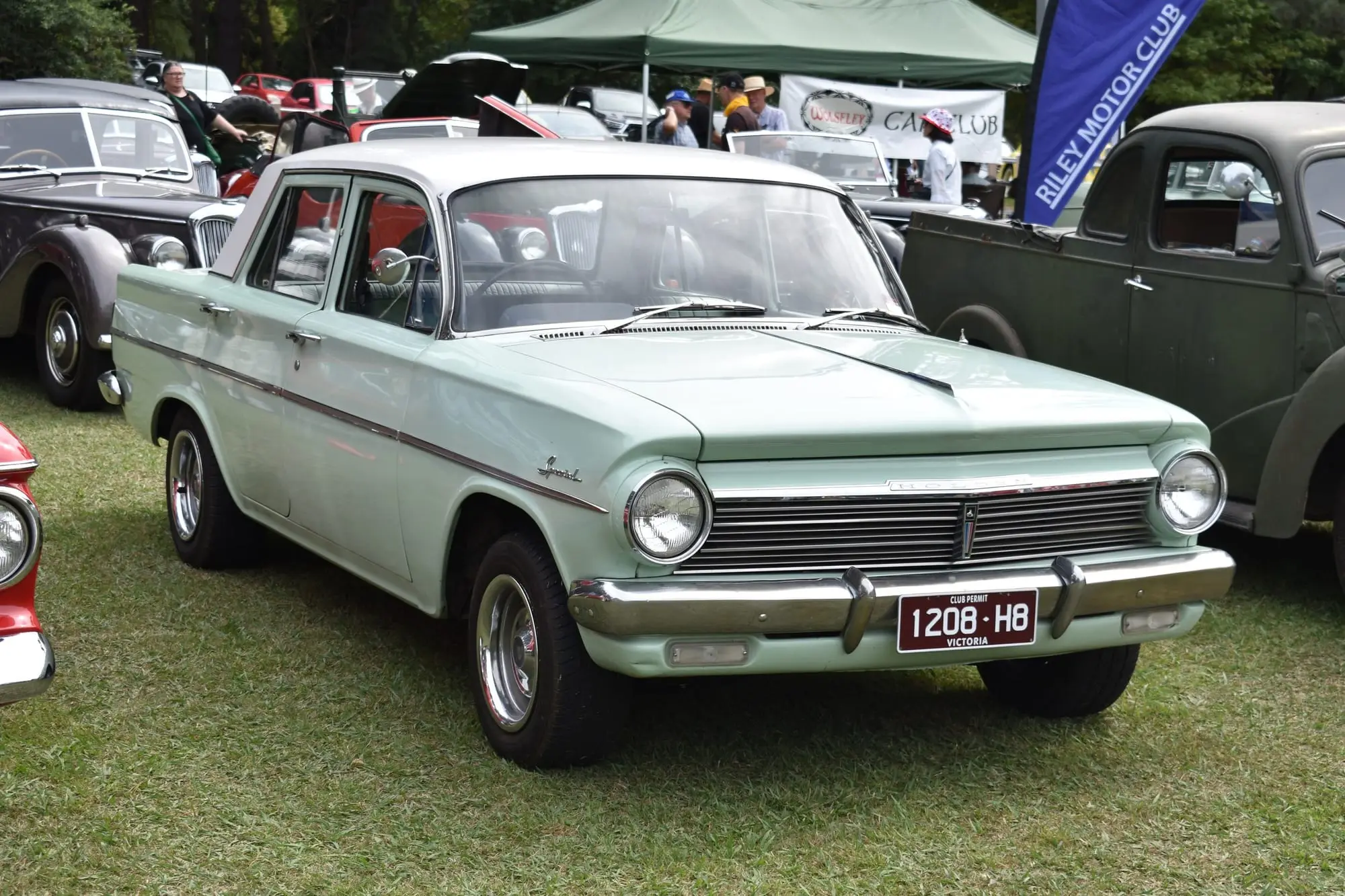
Every Aussie car tragic has one. The EH Holden your grandfather drove to the beach. The XB Falcon coupe from the posters on your bedroom wall. The HQ Monaro, the Torana, the VL Turbo, the 60 Series LandCruiser that took the family up the Cape. For a lot of people, buying that car is the moment a lifelong interest becomes something you can actually park in the garage.
Classic car finance works a little differently from a loan on a late-model hatch, though. Knowing why before you start shopping saves a lot of frustration at the application stage.
Why is financing a classic car different?
A standard car loan is usually secured: the lender registers an interest in the car and can sell it if repayments stop. To make that work, the lender needs to be confident about what the car is worth and how easily it could be sold. That’s simple with a five-year-old Corolla. It’s much harder with a 1965 EH Special whose value depends on originality, condition and who’s bidding.
So many mainstream car lenders set an age limit on the vehicles they’ll accept as security. Once a car is past that age, you’re looking at different options:
- An unsecured personal loan. The car isn’t used as security at all, so its age, originality and modifications don’t stop the loan. The trade-off is that unsecured loans usually cost more than secured ones.
- A lender that accepts older or collectable cars as security. Some lenders will, often with conditions around condition, value and insurance.
- Paying part in cash. A bigger deposit means a smaller loan, which widens your options and lowers the total cost.
Not sure which route fits? The car loan or personal loan quiz takes a minute and points you to the one worth looking at first, and our page on secured vs unsecured personal loans explains the trade-offs in more detail.
What should you check before buying a classic?
Classics are bought with the heart. Make sure the head gets a vote too.
| Check | Why it matters for a classic |
|---|---|
| Independent inspection | A specialist in the model can spot rust, filler, non-original parts and tired mechanicals that photos hide |
| Numbers and identity | Compare VIN or chassis numbers, engine numbers and build details with the paperwork and any club records |
| PPSR search | Older cars can still have money owing on them or a written-off history |
| History file | Receipts, restoration photos, previous registration papers and club records all support value |
| Registration type | Full rego or a club or historic permit scheme, which usually limits how often the car can be used |
| Parts supply | Some models are easy to keep on the road; others need hard-to-find parts |
The PPSR step catches people out because they assume an old car can’t have finance on it. It can. Our PPSR check guide walks through it, and if you’re buying from a fellow enthusiast rather than a dealer, read private sale car loans as well.
How do you budget for owning a classic?
The purchase price is the start of the story. Classic ownership has its own running costs:
- Agreed value insurance. Ask insurers about agreed value cover, so a payout reflects what you and the insurer agree the car is worth, not a market guess. If a lender holds the car as security, it may require comprehensive cover.
- Storage. A dry garage or a storage bay keeps the paint and interior happy.
- Specialist servicing. Carburettor tuning, points ignition and drum brakes need someone who knows them.
- Restoration and “while it’s apart” jobs. These are where budgets blow out.
- Club membership and events. Often required for club permit schemes, and half the fun anyway.
Put realistic figures into the car budget planner and see what repayment is left over once those costs are covered. If the number is comfortable, you’re in a strong position to check your classic car loan options before you commit to a seller.
Should the restoration go on the loan?
It’s tempting to roll the car, the paint job and the engine rebuild into one loan. Think carefully before you do. Restorations almost always cost more and take longer than planned, and money spent on a restoration doesn’t always add the same amount to the car’s value.
A practical approach many enthusiasts use:
- Finance the purchase only, at a repayment you can carry comfortably.
- Fund the restoration in stages from savings: mechanicals first, then body and paint, then interior.
- Keep receipts and photos of every stage. They support the car’s value, its insurance and its eventual sale.
That way, if the project stalls for a winter, you’re not paying interest on work that hasn’t happened yet.
Is a classic car a good investment?
Some classics have risen in value, and some haven’t. Values depend on rarity, originality, condition and fashion, and they can fall as well as rise. The safest way to think about it: buy the car because you love it, and borrow an amount you’d be comfortable repaying even if its value went sideways. Anything on top of that is a bonus.
Ready to put the dream car in the shed?
You’ve done the homework: the car is inspected, the PPSR is clean, the insurance is sorted and the budget works. Now see what a loan would look like. Start an application with our secure partner and you’ll see your options before you commit. A real person can help if you’re weighing a personal loan against a secured option for an older car. Give accurate figures for your income, expenses and existing repayments so the options you see are ones you can genuinely live with.
Frequently asked questions
Can I get a car loan for a classic car?
Often, yes, but not always a standard secured car loan. Many lenders limit how old a car can be when it's used as security, so classics are commonly financed with an unsecured personal loan or through a lender that accepts older and collectable vehicles.
Is a personal loan or a secured loan better for a classic?
A secured loan usually costs less if a lender will accept the car. A personal loan leaves the car unencumbered, which suits project cars and older vehicles a secured lender won't take. Compare total cost, fees and flexibility, not just the repayment.
Do I need a valuation or inspection?
An independent inspection by someone who knows the model is the best money you'll spend. It confirms condition, originality and rust before you commit. Some lenders and insurers may also ask for photos or a valuation on older cars.
Can I borrow for the restoration as well as the car?
Some people do, but restorations rarely finish on budget. Many owners finance the purchase and fund the restoration from savings in stages, so the loan doesn't grow faster than the car's value.
Should I still do a PPSR check on an old car?
Yes. Age doesn't stop a car from having money owing on it or a written-off history. A $2 PPSR search using the VIN or chassis number is worth doing on every purchase.