Quick answer
Caravans and camper trailers are commonly financed with a secured loan that uses the van as security, much like a car loan, or with an unsecured personal loan for older vans and touring gear. Before you borrow, check the van's weights against your tow vehicle's limits, add rego, insurance and servicing to your budget, and compare loans on total cost.
Key points
- Caravans and campers are often financed with a secured loan, like a car.
- Older vans and touring gear may suit an unsecured personal loan.
- Check the loaded van against your vehicle's towing capacity and tow ball limits.
- Rego, insurance, servicing and storage for the van are extra costs.
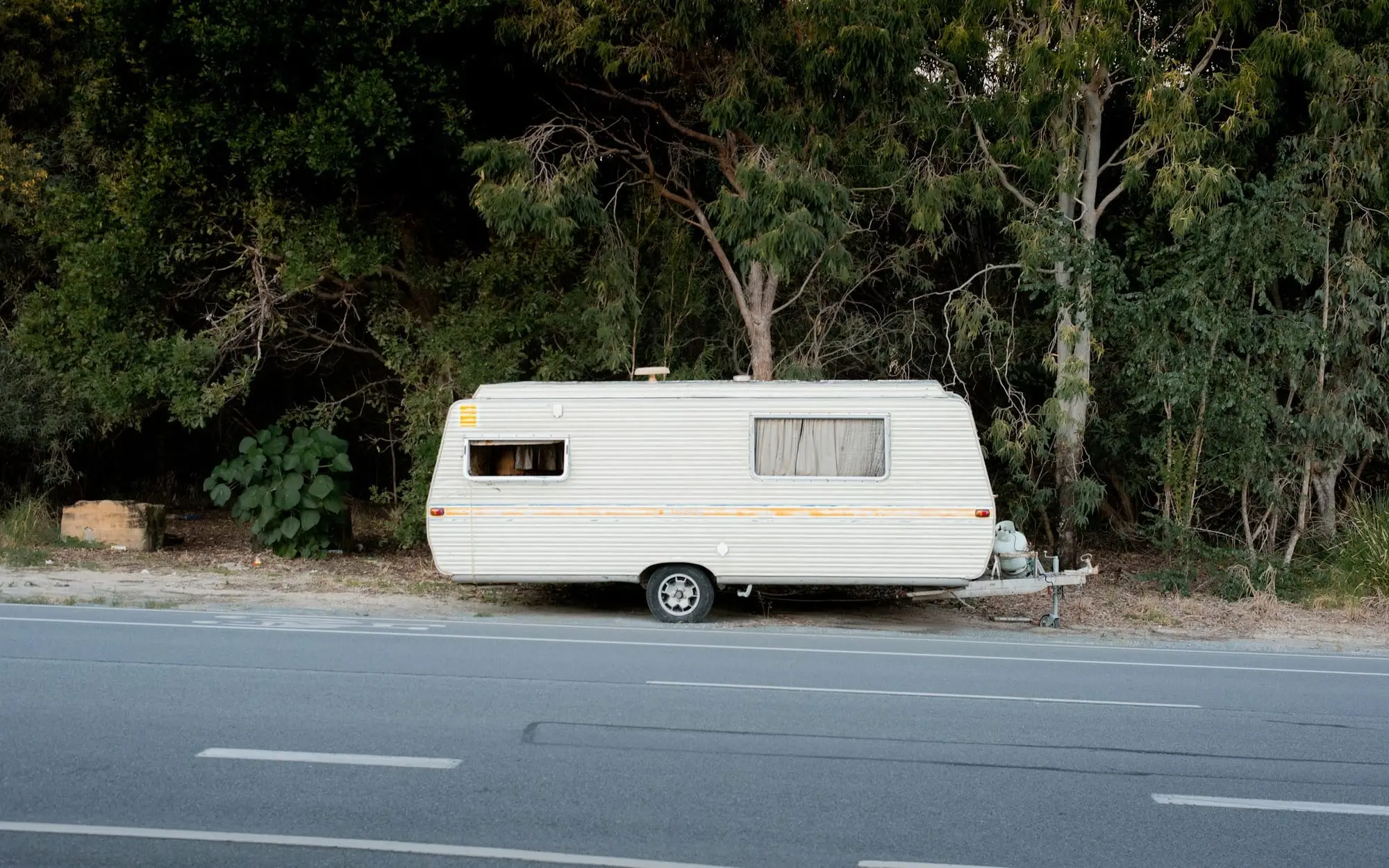
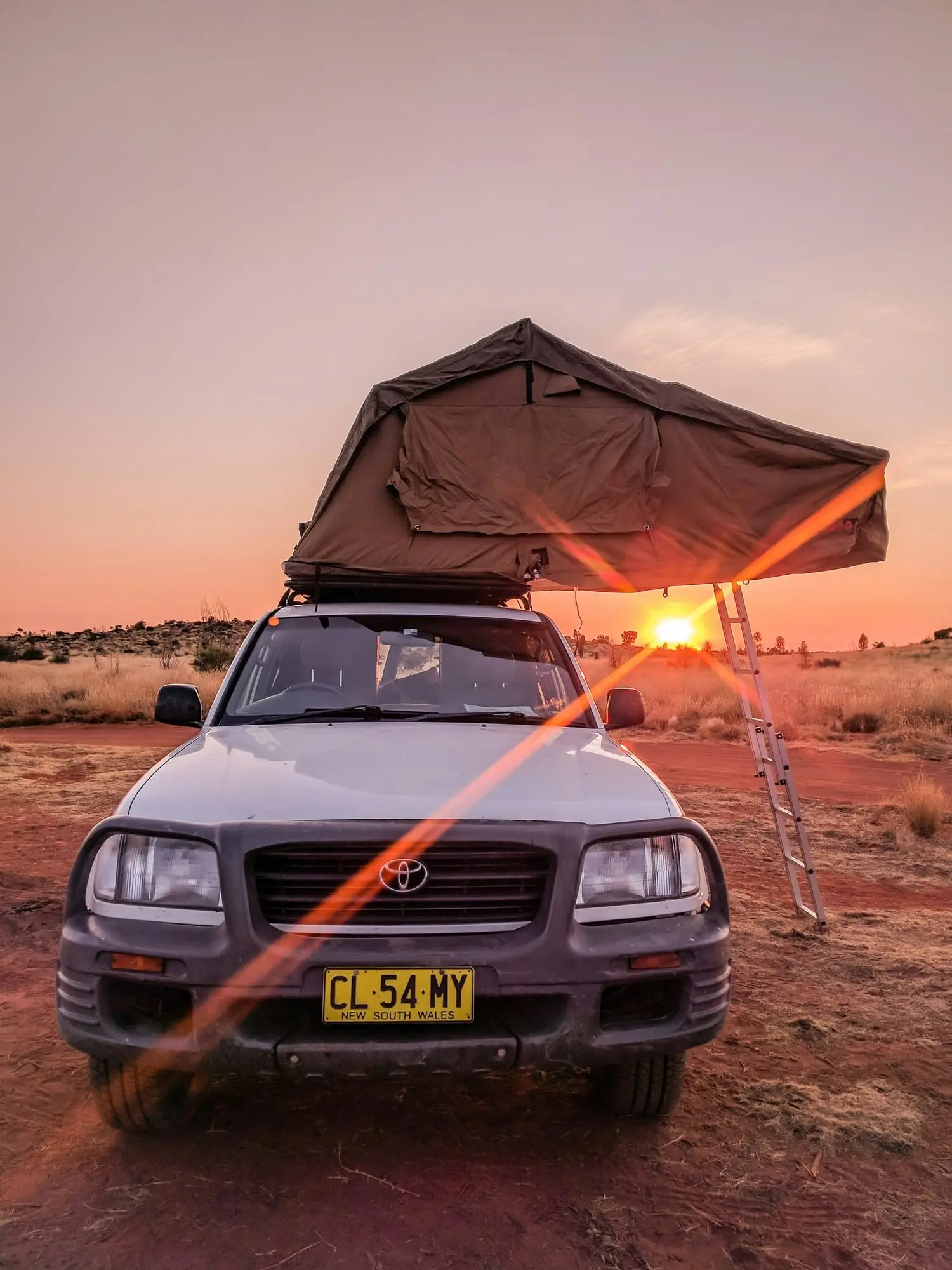
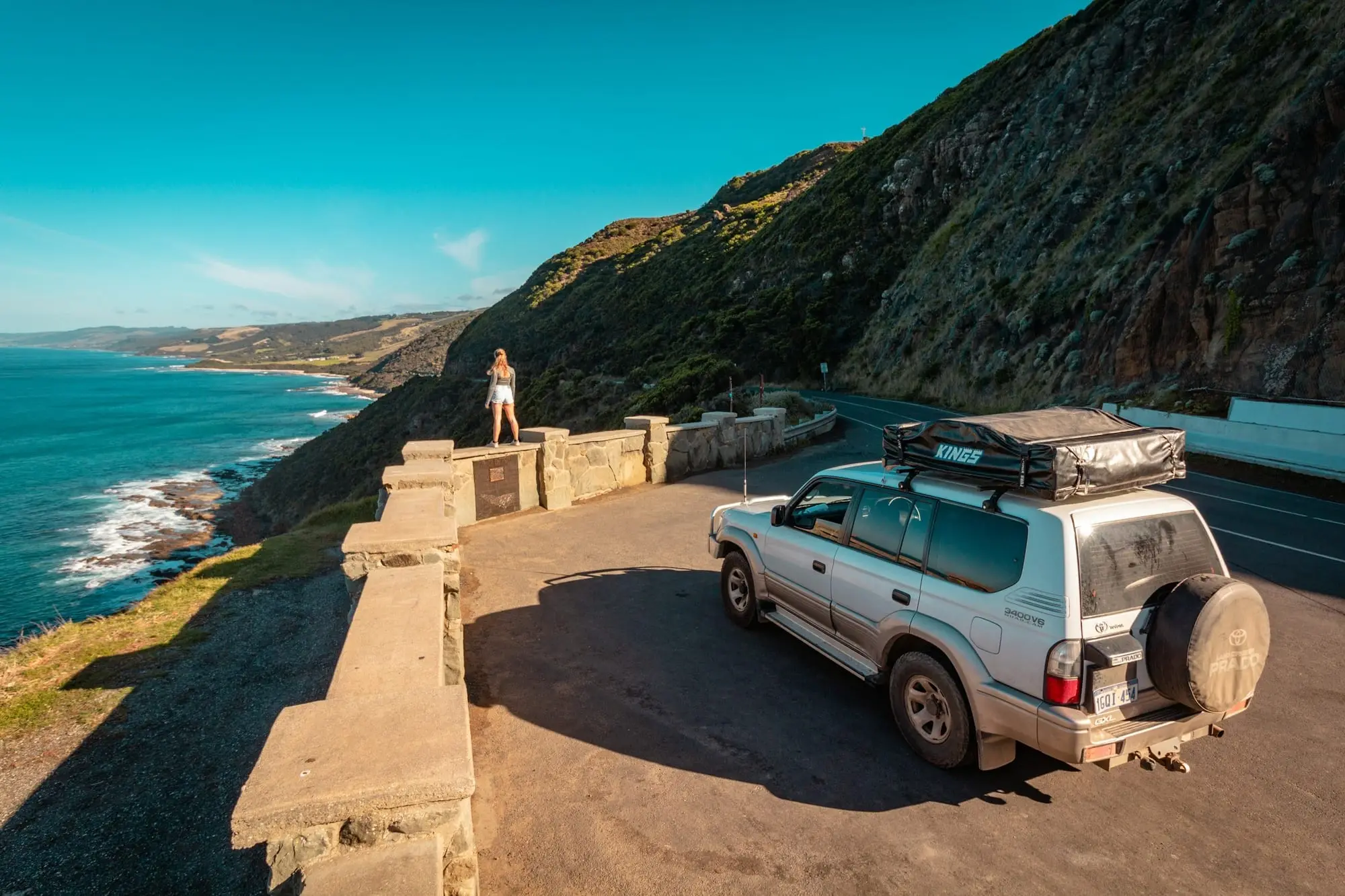
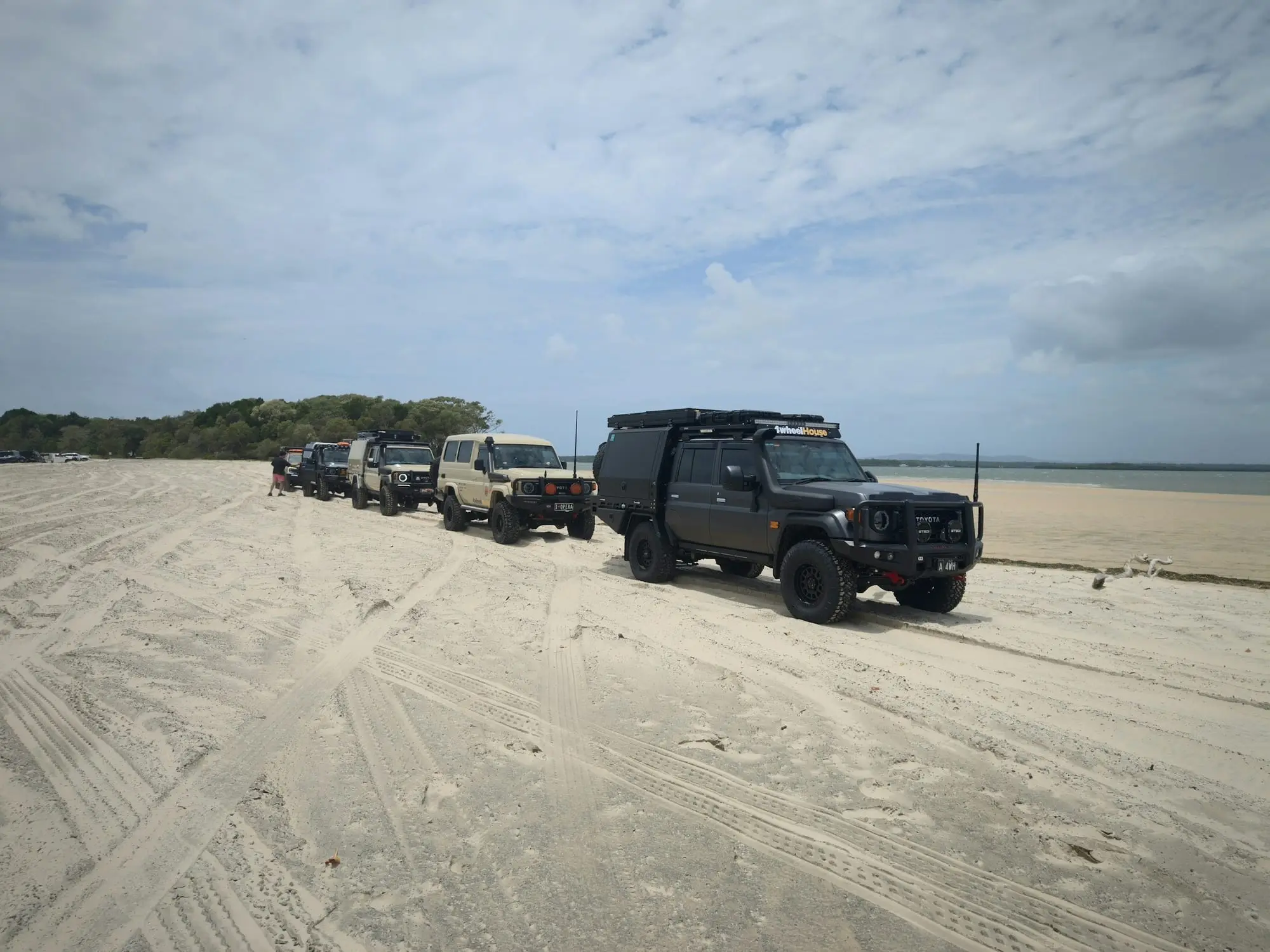
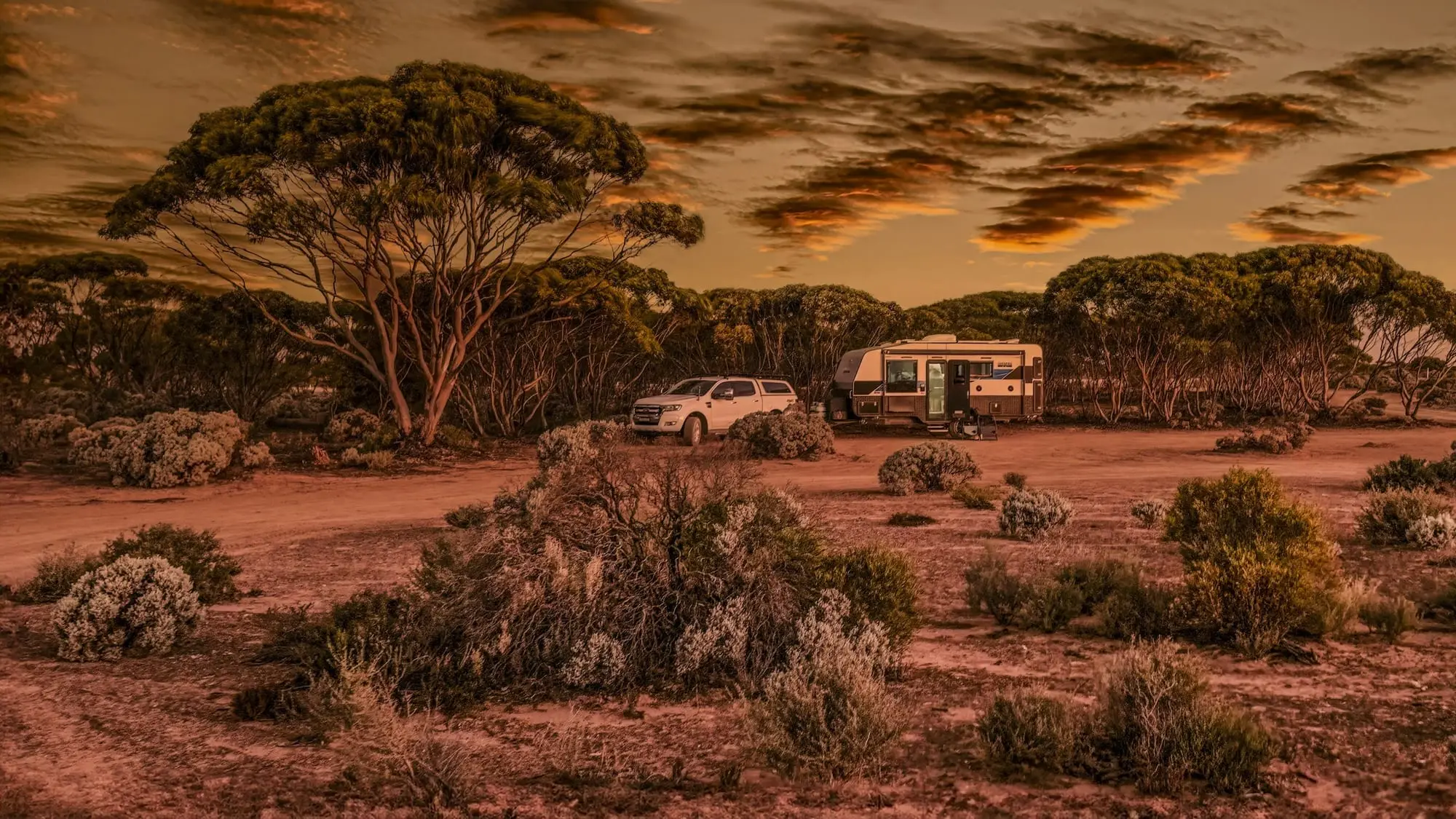
Ask a room full of Australians about their dream trip and someone will say “the big lap”. Highway 1 all the way round, the Nullarbor at sunrise, a swag under the stars on the Gibb River Road, a beach camp at Fraser Island, now called K’gari. For a lot of families and retirees, that dream starts with a caravan or a camper trailer hitched to a ute or 4WD.
Touring rigs aren’t cheap, and the van is only half of the setup. Here’s how caravan and camper finance works, and how to plan it so the trip is remembered for the scenery, not the repayments.
How do caravan and camper loans work?
There are two common ways to finance a van:
- A secured loan, where the caravan or camper trailer is the security. It works much like a car loan: the lender registers an interest in the van until the loan is paid off. Secured loans usually cost less, but lenders may have rules on the van’s age, type and value.
- An unsecured personal loan, which leaves the van free of the lender’s interest. That suits older vans, privately bought campers and touring gear such as rooftop tents, awnings and fridges that a secured lender won’t take.
Moneysmart’s car loan guidance applies just as well to vans: compare the total cost, look closely at fees, and don’t let a low regular repayment distract you from the overall amount you’ll repay. Our page on secured vs unsecured personal loans covers the trade-offs in detail.
Can your tow vehicle handle the van?
This is the step people skip, and it’s the one that matters most for safety and for your budget. Before you sign for a van, compare its weights with your vehicle’s limits:
| Check | What to compare |
|---|---|
| Towing capacity | The vehicle’s maximum braked towing capacity against the van’s fully loaded weight |
| Tow ball download | The vehicle’s and tow bar’s tow ball limit against the van’s loaded ball weight |
| Vehicle payload | Passengers, gear and the ball weight together, within the vehicle’s limits |
| Brakes and hitch | Brake controller, hitch and safety chains suited to the van’s weight |
Use the manufacturer’s figures and the van’s compliance plate, and allow for water, gas, food and gear. A van that leaves your ute or 4WD at its limits on every trip will cost more in fuel, tyres, brakes and servicing. If you need a more capable tow vehicle, our ute and 4WD loans page covers the budgeting side.
What does a caravan cost to own each year?
The van keeps costing money even while it’s parked. Build these into your plan before you work out the loan amount:
- Registration and insurance for the van itself, separate from the tow vehicle.
- Servicing, especially wheel bearings, brakes and the electrical and gas systems.
- Tyres, which can age out before they wear out on a van that sits for months.
- Storage, if the van won’t fit on your block or council rules limit where it can park.
- Extra fuel for the tow vehicle, which climbs sharply when towing.
- Trip costs: campsite and park fees, ferry fares, and the inevitable roadside repair.
Run the numbers through the car budget planner, using a higher weekly fuel figure and adding the van’s costs to your regular expenses. The comfortable repayment it gives you is a much better guide than the dealer’s weekly figure. When the numbers work, you can check your caravan loan options before you commit.
New van, used van or a simpler setup?
New vans come with a warranty and known history, which counts when you’re a long way from a repairer. Used vans can save a lot, but have them inspected: check for water leaks, chassis rust and cracking, brake condition and the age of the tyres. Do a PPSR search before you pay, just as you would for a car, because vans can have finance owing too. If you’re buying from a private seller, our private sale car loans page covers the safe way to pay.
And don’t rule out a simpler setup. A rooftop tent, a slide-out kitchen and a good fridge on the back of a 4WD can open up tracks a big van can’t reach, for a fraction of the weight. Many people start that way and step up to a camper or van once they know how they like to travel.
Should the touring gear go on the loan?
Awnings, solar panels, lithium batteries, water tanks and recovery gear add up quickly. Rolling everything into the loan is convenient, but you pay interest on every item for the whole term, and accessories rarely add their full cost to resale. Financing the van and buying gear from savings as you go keeps the loan smaller and lets you buy what you actually use after a trip or two.
Ready to hitch up?
Plan the van, the tow vehicle and the running costs together, then see what’s possible. Start an application with our secure partner and you’ll see your options before you commit to anything. A real person can help you think through a secured van loan versus a personal loan for an older camper. Please give accurate income, expense and repayment figures, so the options you see fit the trip and the budget.
Frequently asked questions
Can I use a car loan to buy a caravan?
Many lenders offer secured loans for caravans and camper trailers that work much like a car loan, with the van as security. Others suit an unsecured personal loan, especially for older vans or second-hand campers bought privately.
Should I finance the tow vehicle and the caravan together?
You can look at them together, but keep the numbers separate in your budget. Two loans that each fit comfortably are easier to manage than one large loan with everything rolled in, and you can pay one off sooner if you choose.
How do I know if my car can tow the van?
Check the manufacturer's towing capacity and tow ball download limit for your vehicle, and compare them with the van's loaded weights, not its empty weight. A caravan dealer or a towing specialist can help you check the setup.
Do I need a PPSR check on a second-hand caravan?
Yes. Caravans and trailers can have finance owing on them just like cars. Search the VIN on the PPSR before you pay, and check the van's registration details match.
What ongoing costs should I budget for?
Registration and insurance for the van, servicing of brakes and bearings, tyres, storage if it won't fit at home, and the extra fuel the tow vehicle uses. Add trip costs such as campsite fees on top.